When it comes to freezing temperature-sensitive products, speed matters. Whether you're working with fresh food, prepared meals or ingredients, freezing products quickly can make a significant difference to their quality, texture and shelf life.
Shock freezers, also known as blast freezers, are designed to rapidly reduce product temperatures, helping businesses preserve quality, maintain food safety and keep production running efficiently.
But how exactly does shock freezing work, and what makes it different from conventional freezer storage?
What Is a Shock Freezer?
A shock freezer is a specialist freezing solution designed to bring down the temperature of products rapidly and efficiently. Unlike a conventional freezer, which is primarily designed to keep already frozen goods at a consistent temperature, a shock freezer is built to freeze products quickly as part of the production process.
Shock freezers are widely used throughout the food and beverage industry, particularly for products such as meat, fish, seafood, vegetables, bakery goods and prepared meals.
They are especially useful for businesses handling large quantities of temperature-sensitive products, where maintaining quality, meeting food safety requirements and minimising delays are essential.
At Coolworld Rentals, our industrial shock freezers offer temperature ranges from -35°C to +5°C, depending on the unit and application, providing flexible solutions for rapid cooling and freezing.
Why Is Shock Freezing Important?
When food freezes, the water within it forms ice crystals. The speed of the freezing process can have a significant impact on the size of these crystals and, ultimately, the quality of the product.
Slow freezing allows larger ice crystals to develop, which can damage the cellular structure of food. This can lead to moisture loss, changes in texture and reduced quality when the product is defrosted.
Shock freezing rapidly lowers the product's temperature, encouraging smaller ice crystals to form. This helps to protect the product's structure and retain its natural texture, flavour and appearance.
The benefits of shock freezing include:
- Preserving product quality: Helping maintain the original texture, flavour and appearance of food.
- Supporting food safety: Reducing the time products spend at temperatures where harmful bacteria can multiply.
- Reducing food waste: Helping protect product quality and extend shelf life when combined with correct handling and storage.
- Improving production efficiency: Allowing products to be frozen quickly before packaging, distribution or longer-term storage.
- Maintaining consistency: Helping manufacturers achieve more reliable results across production batches.
Once products have been shock frozen, they can be transferred into suitable freezer storage facilities for longer-term preservation.
How Does a Shock Freezer Work?
Shock freezers use powerful refrigeration systems and controlled airflow to rapidly remove heat from products.
Very cold air is circulated around the contents of the freezer, transferring heat away from the product much faster than a standard storage freezer would typically achieve.
The combination of low temperatures and high-velocity airflow helps products reach their required temperature efficiently and consistently.
The exact freezing time will depend on several factors, including the product's initial temperature, size, packaging, quantity and the required final core temperature.
For businesses managing high production volumes or time-sensitive processes, shock freezing offers a practical way to improve efficiency without compromising product quality.
Is Shock Freezing Safe?
Shock freezing plays an important role in food safety, particularly in commercial food processing and production environments.
Bacteria can multiply rapidly when food remains within certain temperature ranges. By reducing the time products spend at these temperatures, shock freezing helps limit bacterial growth and supports safe food handling practices.
However, shock freezing does not eliminate all bacteria or replace appropriate hygiene, handling and storage procedures.
When used as part of a properly managed food safety system, including HACCP-based procedures, shock freezers can help businesses maintain product standards and protect consumers.
Which Industries Use Shock Freezers?
Although shock freezing is most commonly associated with food manufacturing, it provides valuable temperature-control solutions across a range of industries.
Food manufacturing and processing
Rapidly freezing meat, poultry, fish, vegetables and prepared meals to preserve quality before storage or distribution.
Bakeries and commercial kitchens
Freezing prepared ingredients, dough, baked goods and finished products to support production planning and reduce waste.
Fish and seafood processing
Helping maintain the freshness, texture and quality of highly perishable products through rapid freezing.
Logistics and cold chain distribution
Providing additional freezing capacity when businesses experience seasonal demand, increased stock volumes or operational disruption.
Pharmaceutical and specialist applications
Supporting certain temperature-sensitive processes where controlled rapid cooling or freezing is required, subject to the appropriate technical and compliance requirements.
Why Hire a Shock Freezer?
Investing in permanent industrial freezing equipment isn't always practical, particularly when additional capacity is only required for a short period.
Hiring a portable shock freezer provides a flexible alternative, allowing businesses to increase their freezing capacity without the expense or commitment of permanent infrastructure.
Temporary shock freezer hire is particularly useful for:
- Seasonal demand: Managing increased production during busy periods.
- Equipment breakdowns: Maintaining operations while existing equipment is repaired or replaced.
- Planned maintenance: Providing temporary freezing capacity during scheduled work.
- Business expansion: Supporting increased production without immediately investing in permanent facilities.
- Short-term projects: Providing specialist freezing capacity for product launches, trials or temporary requirements.
With the right temporary solution, businesses can respond quickly to changing demands while protecting their products and maintaining operational continuity.
Shock Freezer Hire from Coolworld Rentals
At Coolworld Rentals, we understand how important reliable temperature control is to your business. Whether you're dealing with an unexpected breakdown, planning for seasonal demand or simply need additional freezing capacity, our team is here to help.
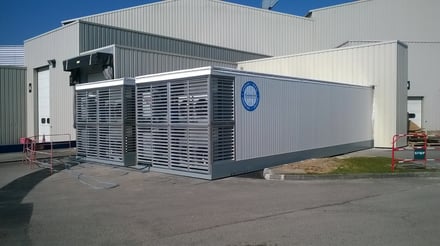
Our portable industrial shock freezers offer flexible freezing solutions for a variety of applications, with units providing temperatures from -35°C to +5°C and capacities ranging from 25m³ to 60m³.
But we don't just supply the equipment. Our experienced team can support you throughout the process, from choosing the right solution to delivery, installation, maintenance and ongoing technical assistance.
With flexible rental options and support from people who understand your industry, we'll help you find a solution that works for your business.
Need Additional Shock Freezing Capacity?
Whether it's a planned project or an urgent requirement, we're here to help you keep things moving.
Explore our shock freezers and speak to the Coolworld team to discuss your requirements and find the right freezing solution for your business.