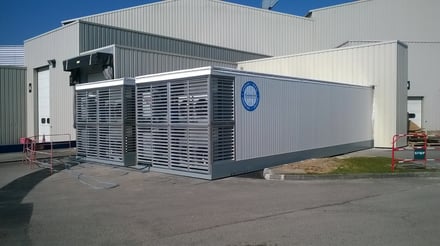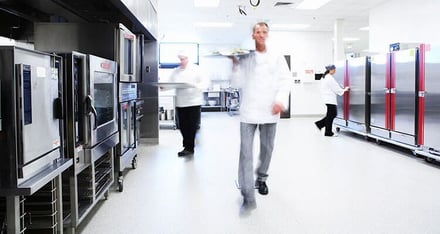
Commercial cold store rental gives food businesses additional chilled or frozen storage space when they need it. With capacity suited to stock volumes, accessible layouts and optional temperature monitoring, rental cold stores can support better stock management and help reduce avoidable food waste.
For restaurants, food manufacturers, retailers and caterers, managing perishable stock is a daily balancing act. Deliveries, production schedules and customer demand can change quickly, putting pressure on existing refrigeration.
When storage becomes overcrowded or equipment needs replacing, additional cold storage can help keep operations running smoothly. Here are five ways the right rental solution can support your business.
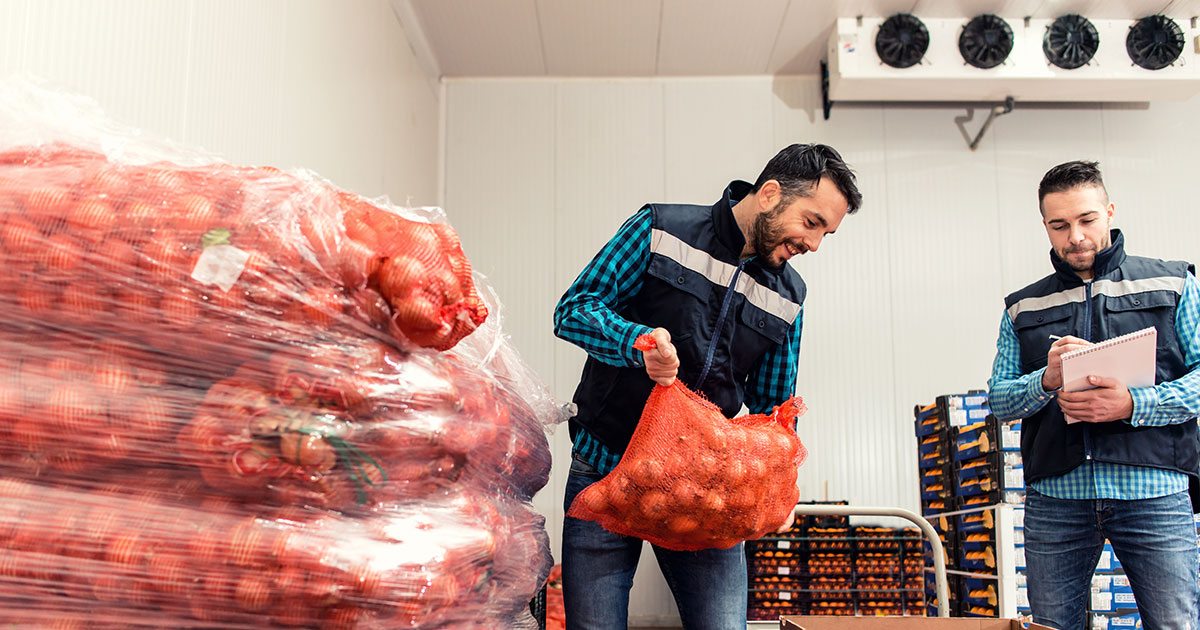
Match cold storage capacity to your stock levels
Seasonal demand, larger orders and business growth can all stretch existing storage facilities. When space becomes limited, products can become harder to organise, access and rotate.
Cold store rental provides additional capacity for busy periods, specific projects or ongoing requirements. It gives businesses flexibility to respond as their needs change.
Coolworld offers cold storage solutions for a range of applications, from additional space for a restaurant to larger storage requirements for food production and distribution.
When selecting a unit, useful considerations include:
- The type and quantity of products being stored.
- Whether stock is handled on pallets, shelving or in smaller containers.
- How frequently staff need access.
- Available site space and access for delivery.
- Whether chilled storage, frozen storage or separate units are required.
Matching the unit to the operation helps make day-to-day stock handling more manageable.
Make stock easier to organise and access
Good visibility of stock helps teams see what is available and plan what to use next. A suitable cold store layout can make this easier, particularly when existing refrigeration is cramped.
Additional space gives businesses more room to group products, organise deliveries and access stock without repeatedly moving other items.
Depending on the unit and application, racking options can help make effective use of the available space. The layout can then be planned around the customer’s stock rotation and handling procedures.
Coolworld can discuss storage capacity and access requirements with your team to help identify an appropriate rental option.

Add visibility with temperature monitoring
For teams managing valuable food stock, knowing what is happening inside a cold store supports day-to-day oversight.
Coolworld can incorporate additional monitoring equipment into rental solutions, depending on the application. Options include remote temperature monitoring, alarms and data logging.
These features can help customers track storage conditions and receive notifications that support their own response procedures.
Monitoring requirements are best discussed when planning the rental, including who needs access to the information and how alerts will be managed.
Plan additional storage before you need it
Planned maintenance, refurbishment and refrigeration upgrades can temporarily reduce available storage space. Unexpected breakdowns can create a more immediate need.
Rental cold stores can provide additional capacity while permanent equipment is unavailable. They can also support businesses preparing for seasonal peaks, site changes or longer-term expansion.
Discussing requirements in advance gives time to consider:
- The volume of stock that needs accommodating.
- The required operating temperature.
- Delivery access and positioning.
- Power supply and installation arrangements.
- The expected rental period.
For contingency planning, it also helps establish how quickly a suitable unit could be made available and brought into use.
When is cold store rental useful?
Commercial cold store rental can support a wide range of situations:
- Seasonal peaks: Additional space for busier trading periods.
- Business growth: Extra capacity as orders or production increase.
- Planned maintenance: Temporary storage while existing equipment is serviced.
- Refurbishment: Storage capacity during kitchen, warehouse or site works.
- Equipment failure: Replacement capacity, subject to availability and installation requirements.
- Long-term requirements: Ongoing storage where rental suits the business’s plans.
The benefit is flexibility: businesses can arrange storage around their operational requirements and review those needs as circumstances change.
Frequently asked questions
Can cold store rental help reduce food waste?
It can support waste reduction by providing space to organise stock, accommodate deliveries and manage periods when existing refrigeration is under pressure. The results depend on how the equipment is used alongside the business’s stock management procedures.
Can I rent both chilled and frozen storage?
Coolworld offers chilled and frozen storage options. The appropriate unit depends on the products, required temperature and capacity.
Is cold store rental suitable for long-term use?
Rental can support both temporary and ongoing requirements. A longer-term arrangement may suit businesses that need additional capacity without purchasing a permanent cold store.
Can monitoring be included?
Additional monitoring options can be discussed as part of the rental specification, including remote monitoring, alarms and data logging.
Find the right cold storage solution with Coolworld
Reducing avoidable food waste starts with understanding where stock management comes under pressure. If limited space, changing demand or unavailable refrigeration is part of the problem, additional cold storage may help.
Coolworld works with businesses to identify rental equipment around their products, capacity requirements and site arrangements. From chilled and frozen storage to specialist freezing and thawing applications, the focus is on finding a practical solution for the operation.