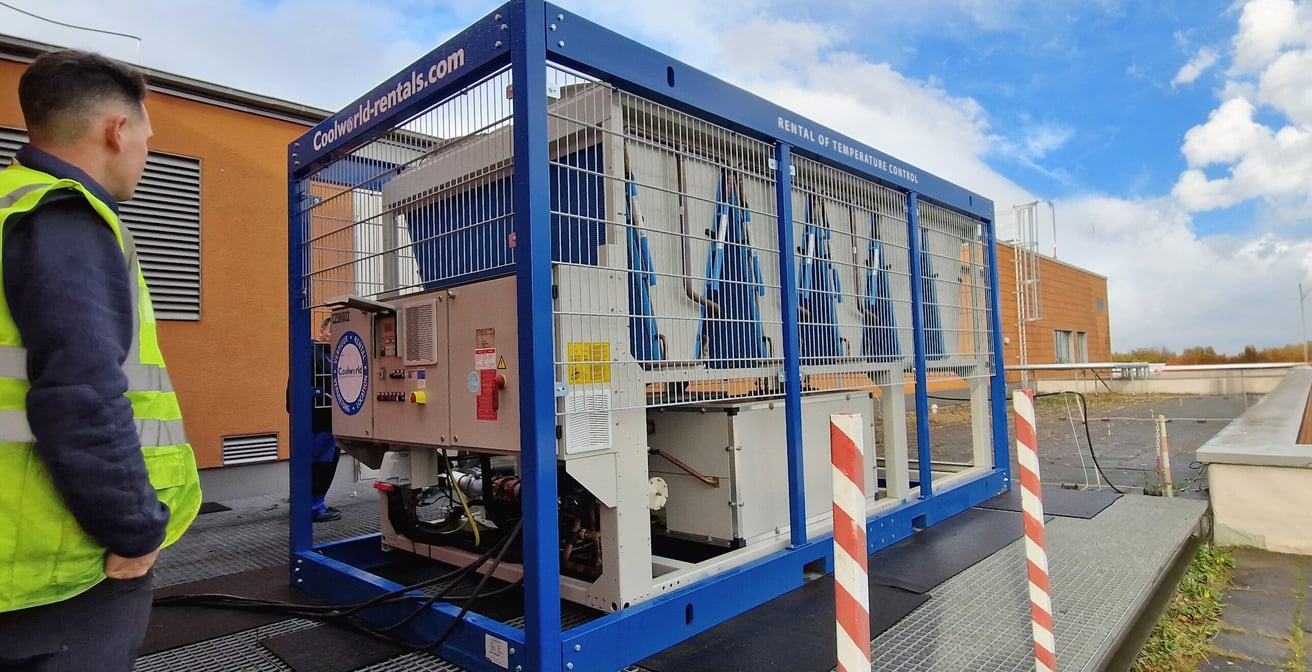
In the height of summer, with temperatures nearing 40 degrees, both cooling systems in a hospital building failed—a critical situation. Excessively high temperatures bring the operating room to a standstill and restrict operations in intensive care units and patient care. Coolworld responded quickly with a customized solution, thereby ensuring the hospital could continue to operate.
Significant Responsibility for Cooling in the Hospital
- Preventing Outages in Sensitive Hospital Areas: Operating Rooms and Intensive Care Units
- A 500-kW chiller maintains the operating room at a maximum of 18 degrees and the intensive care unit at a maximum of 21 degrees
- Optimal temperatures: no compromise on hygiene standards, no equipment failure
- Ensuring the hospital’s financial viability: Downtime means high costs
Are you wondering why our client is so satisfied with Coolworld’s assistance? Then please read on.
Constant cooling for critical hospital areas
The hospital, which specializes in occupational and sports injuries, depends on reliable cooling. Without stable temperatures, surgical procedures, hygiene standards, and the proper operation of medical equipment cannot be guaranteed. Coolworld responded quickly and reliably to secure the cooling supply and prevent operational downtime, ensuring that accident patients could continue to receive immediate treatment.
-
Cooling ensures continued surgical operations
After the hospital’s own cooling system failed, room temperatures rose to as high as 27°C. Operating rooms require temperatures between 12 and 18°C for sterile procedures, while intensive care units need temperatures of no more than 21°C.
-
Cooling technology for medical requirements
The project included cooling six operating theatres and two procedure rooms of approximately 40 m² each, two intensive care units of up to 400 m², as well as radiology, MRI and technical rooms, including process cooling.
-
Efficient cooling solution
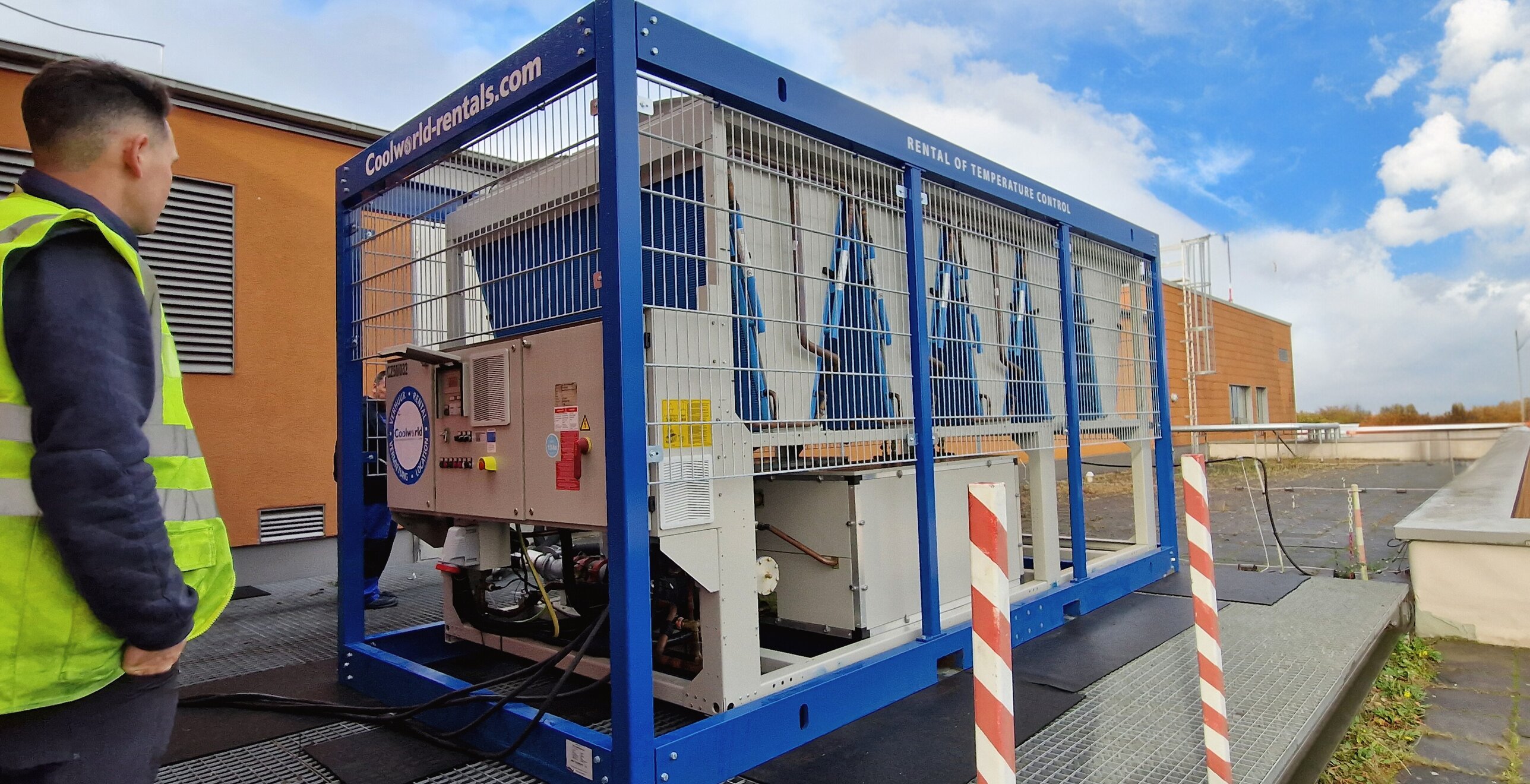
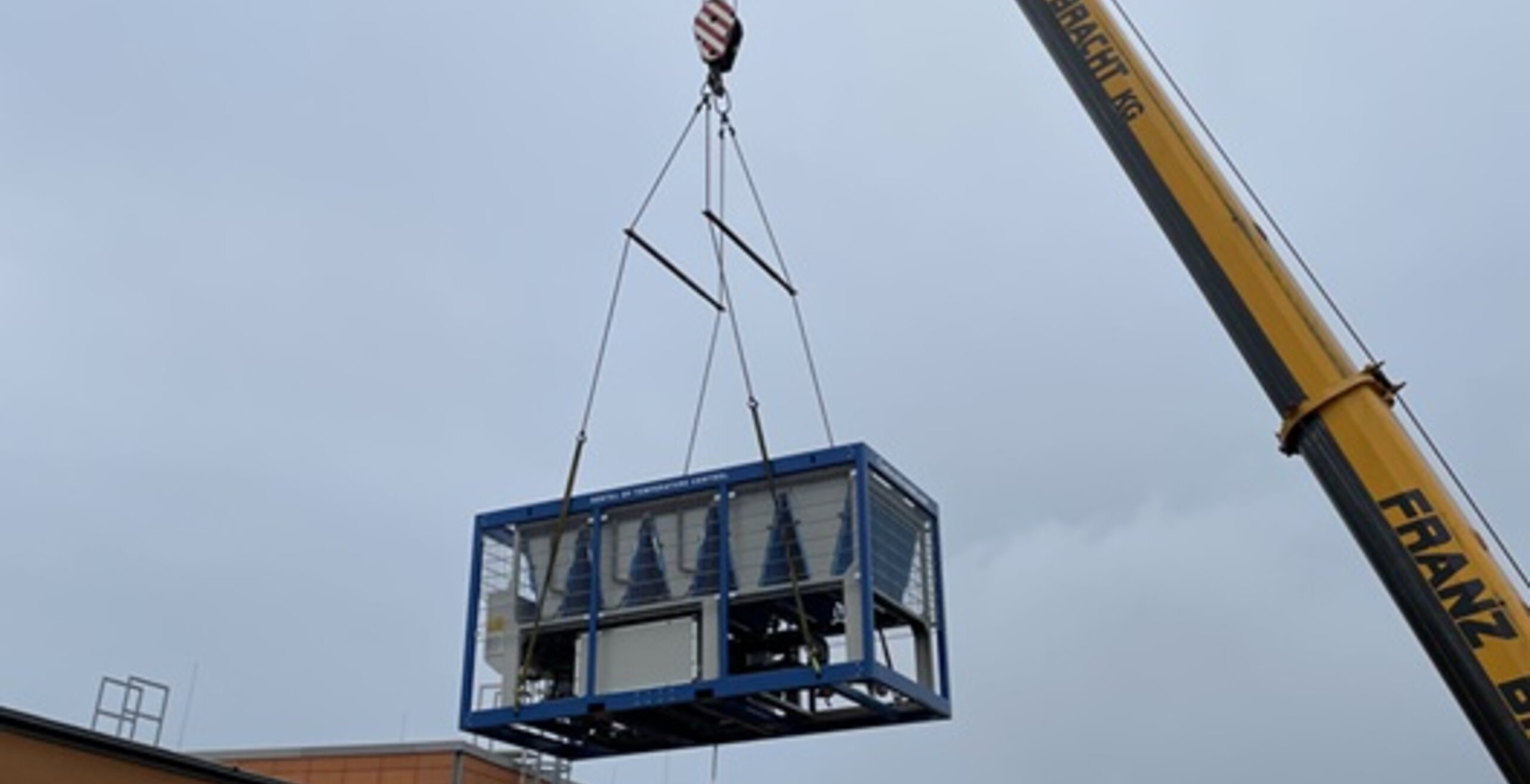
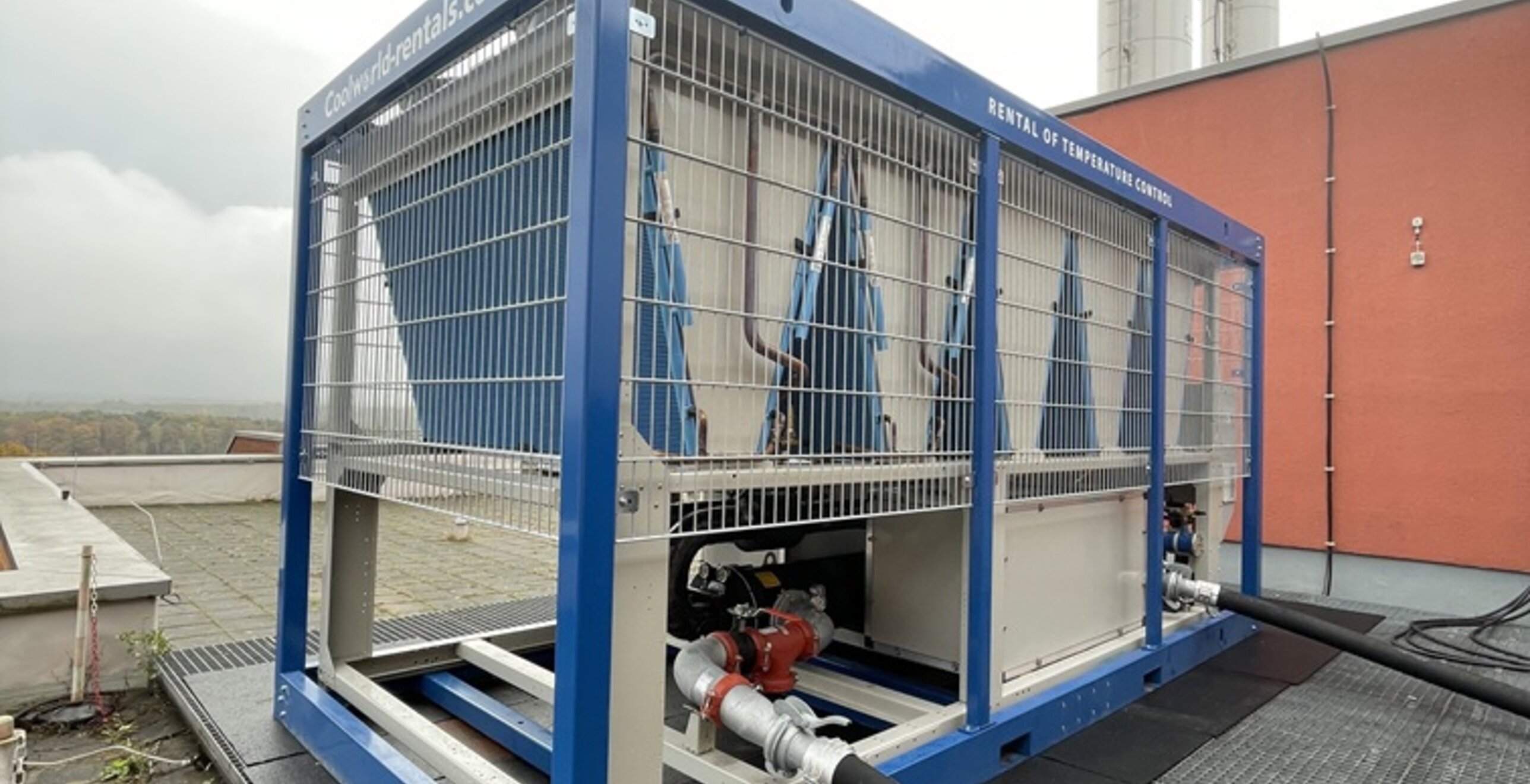
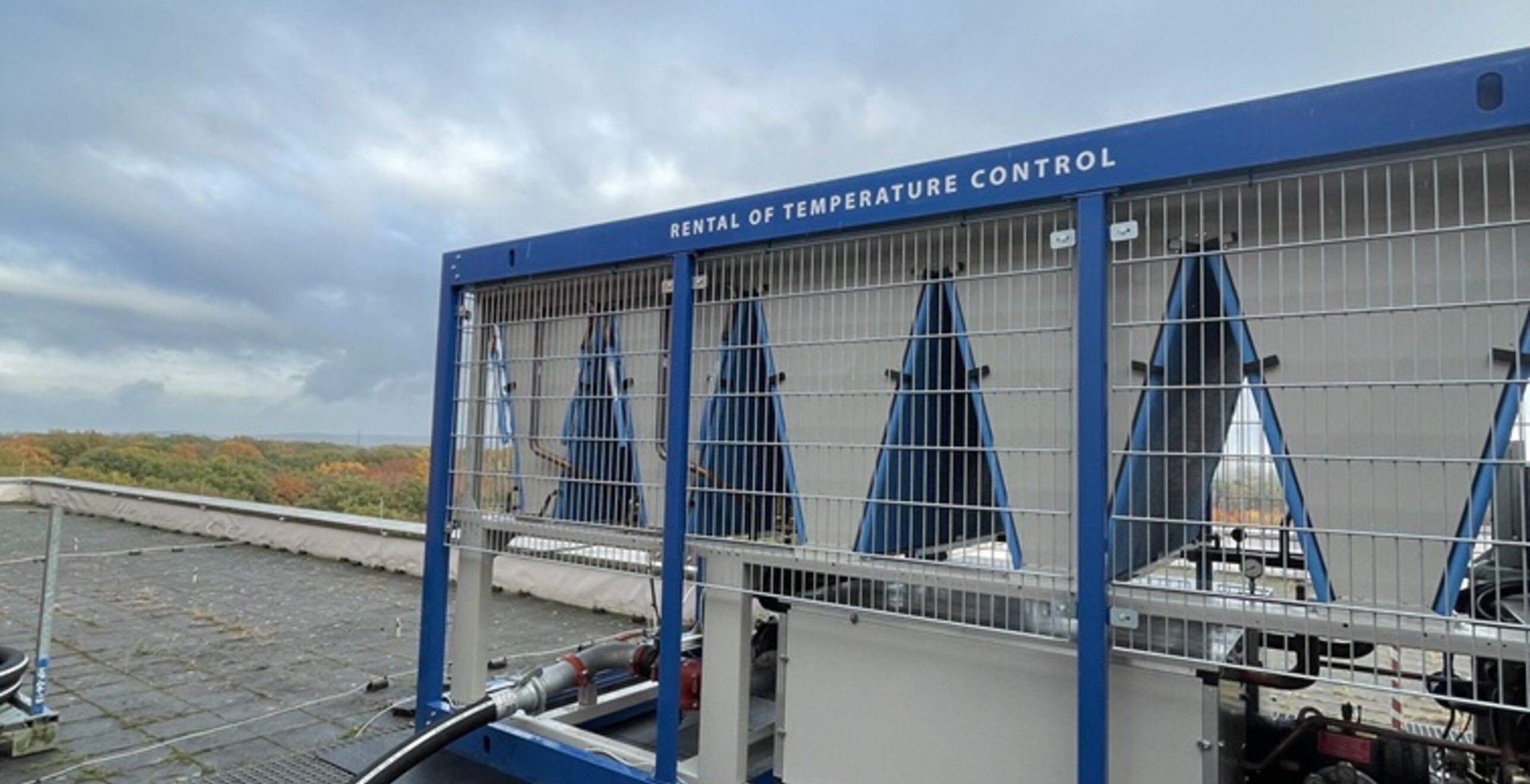
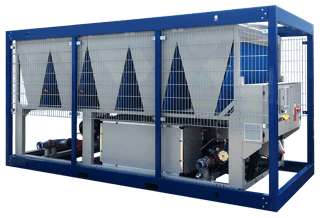
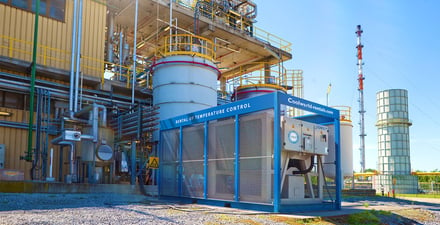
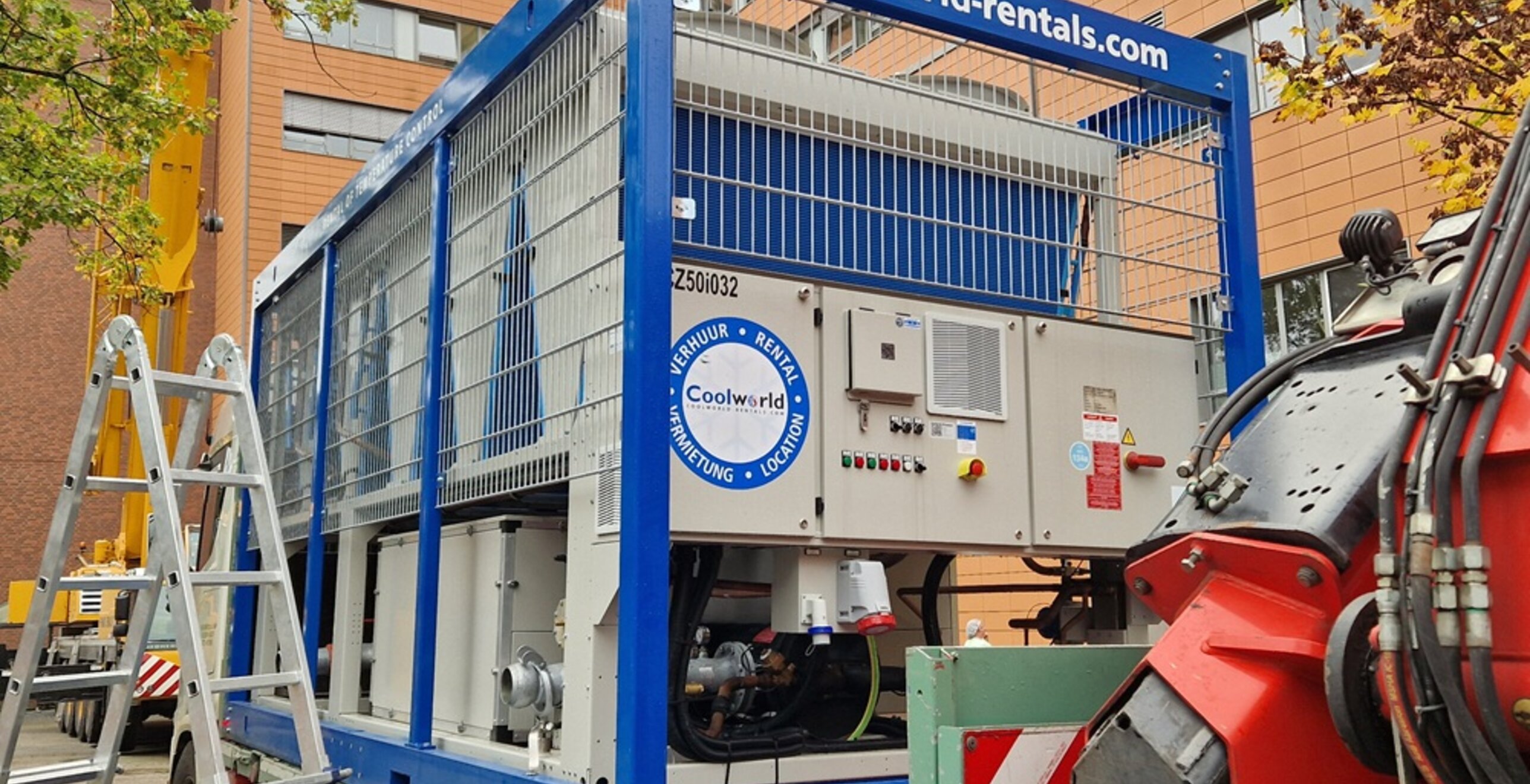
A 500 kW chiller with a temperature range of 6 to 12°C was installed on the hospital roof using a crane.
-
Fast and flexible rental cooling
The professional collaboration between Coolworld’s experts and the hospital’s in-house technicians during installation and connection work enabled fast and efficient commissioning.
“Communication is extremely important to us, and Coolworld was excellent in this respect. We had dedicated contact persons and continuous availability thanks to the 24/7 service. For us as a hospital, that is a real added value. Efficiency, support, speed, value for money. Everything was right with Coolworld. We are absolutely satisfied.”
The hospital relies on a rental chiller
The hospital specializes in acute care and rehabilitation, particularly following occupational and sports injuries. State-of-the-art medical technology requires stable temperatures. These are essential in operating rooms and intensive care units to ensure hygiene, proper equipment operation, and patient safety.
-
Cooling ensures continued hospital operations
The hospital in North Rhine-Westphalia treats seriously injured patients and people with occupational illnesses. Providing rapid care requires uninterrupted cooling capacity.
-
Efficient cooling for acute care
Several operating rooms and procedure rooms, two large intensive care units, MRI, radiology, technical rooms, and process areas all had to be kept cool during the height of summer.
-
Medical excellence
More than 800 employees and over 300 beds. The hospital is dedicated to providing fast and efficient care.
-
Rapid cooling for hospital areas
Cooling in hospitals places the highest demands on technology and carries significant responsibility to ensure uninterrupted operations for accident patients.
Rapid rental cooling solution ensures hospital operations and financial viability
A highly critical project: A failure of the hospital’s cooling systems would have serious consequences for the operating rooms and intensive care unit. Without room and process cooling, critically injured patients cannot be treated. Coolworld delivered a reliable rental cooling solution in record time, which optimally bridged the six-month transition period until the new cooling system was installed at the hospital. The chiller was operational within just four hours. Technical challenges were efficiently resolved, and short crane usage times kept costs down. A hospital shutdown would have resulted in six-figure daily losses—a quick solution was not only vital for saving lives but also economically indispensable.
![]()