
4 key outputs of the sustainability study
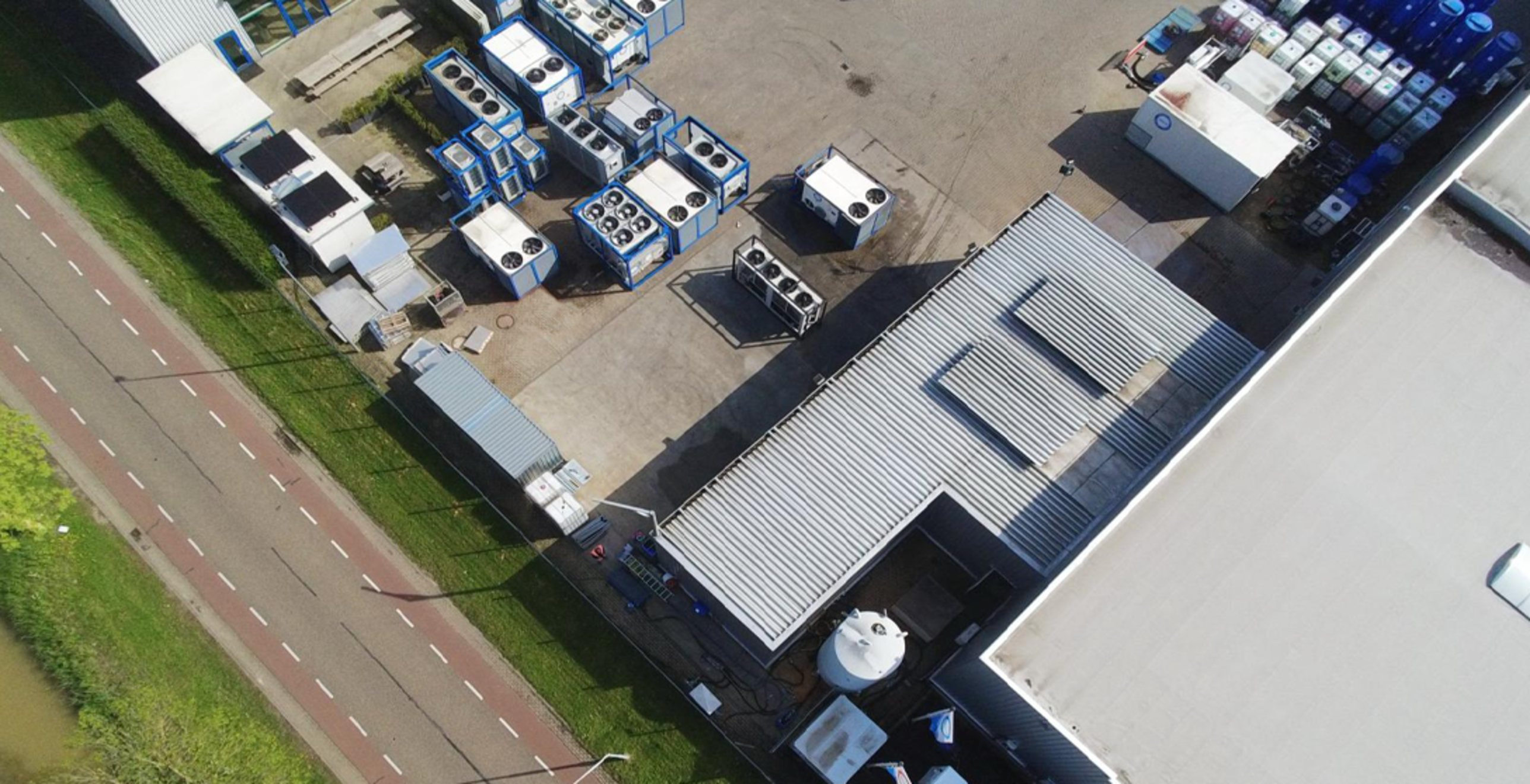
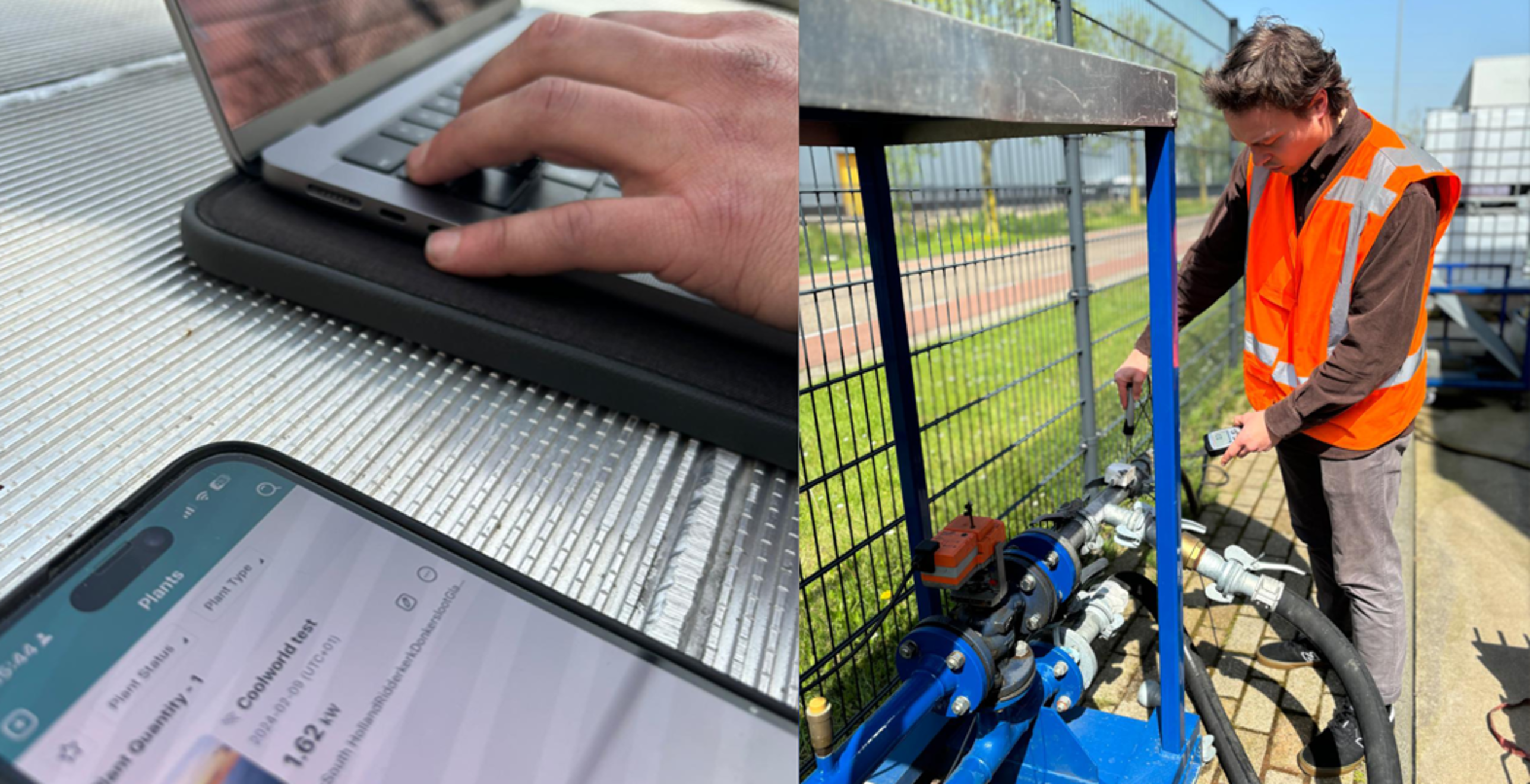
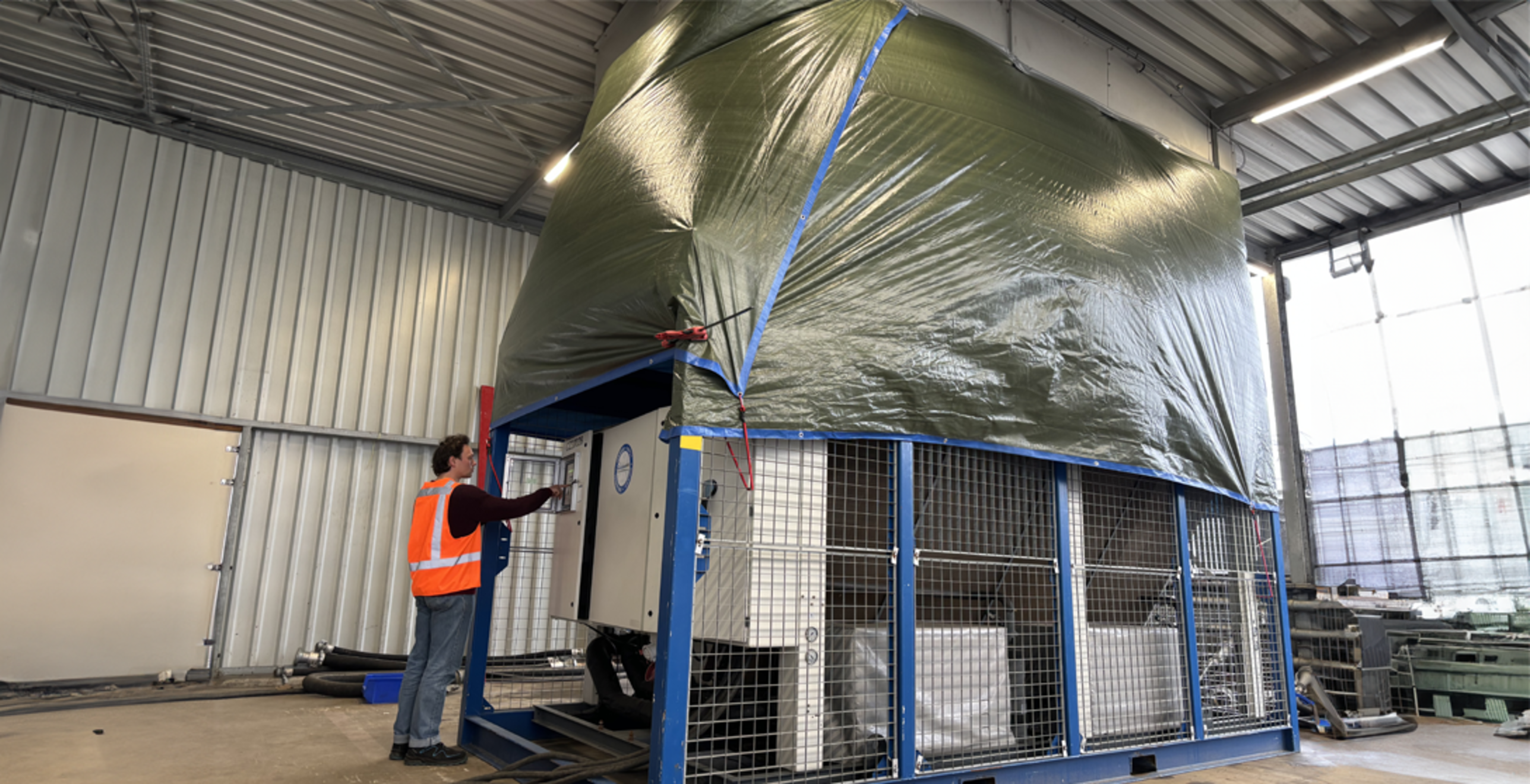
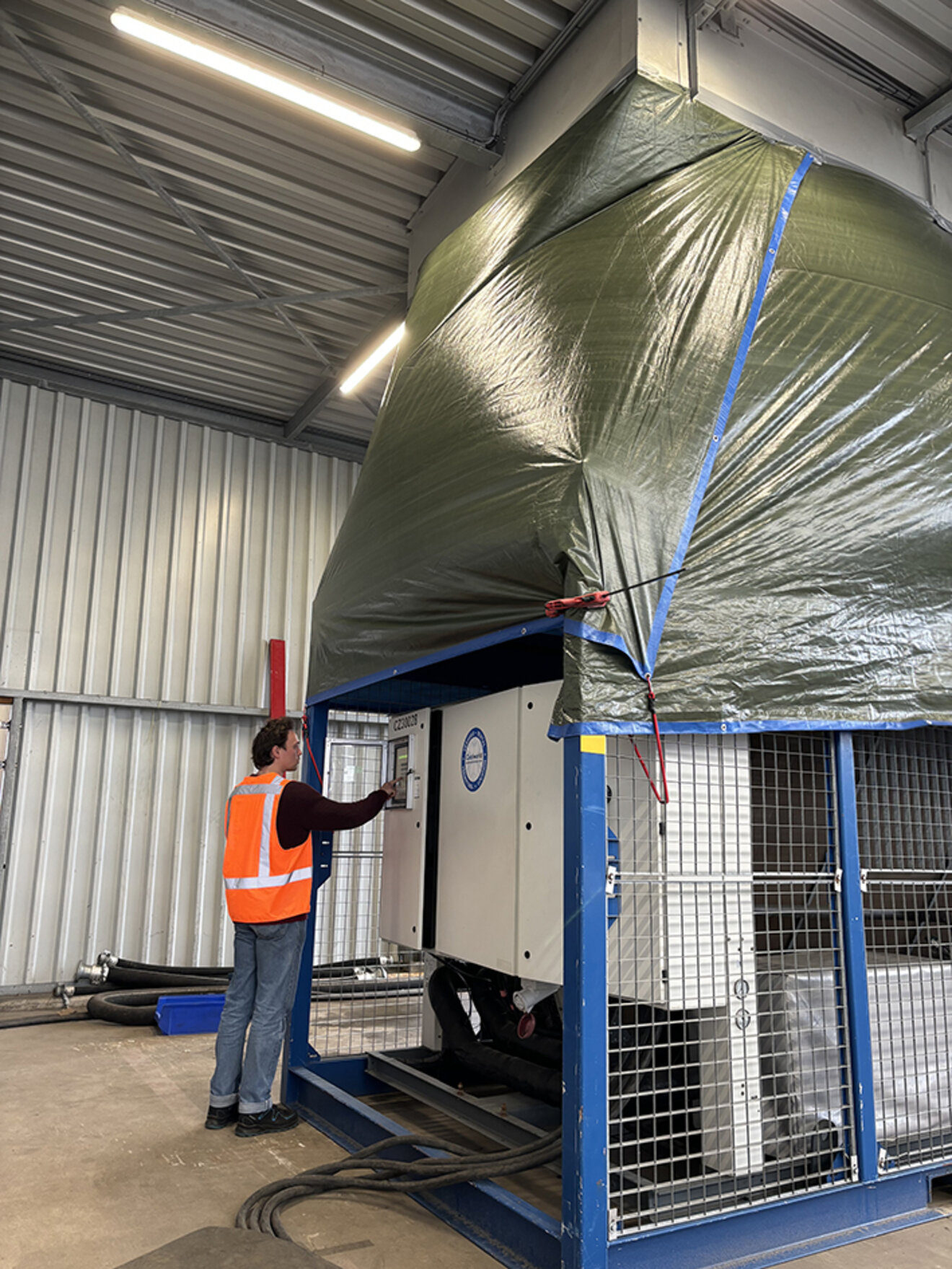
When you rent a cooling solution from Coolworld, it is first extensively tested. These range from short pre-checks to continuous testing of customised rental installations. For his graduation research, Lars Meeuwisse took a close look at the energy flows at the test site.
-
 More solar power
The testing process creates cold. That residual cold can be used to cool solar panels, making them more efficient and yielding more.
-
 Smart insulation
Part of the test plant is a buffer tank containing 25,000 litres of hot water. By properly insulating this vessel, the water stays at a better temperature.
-
 Smart tests
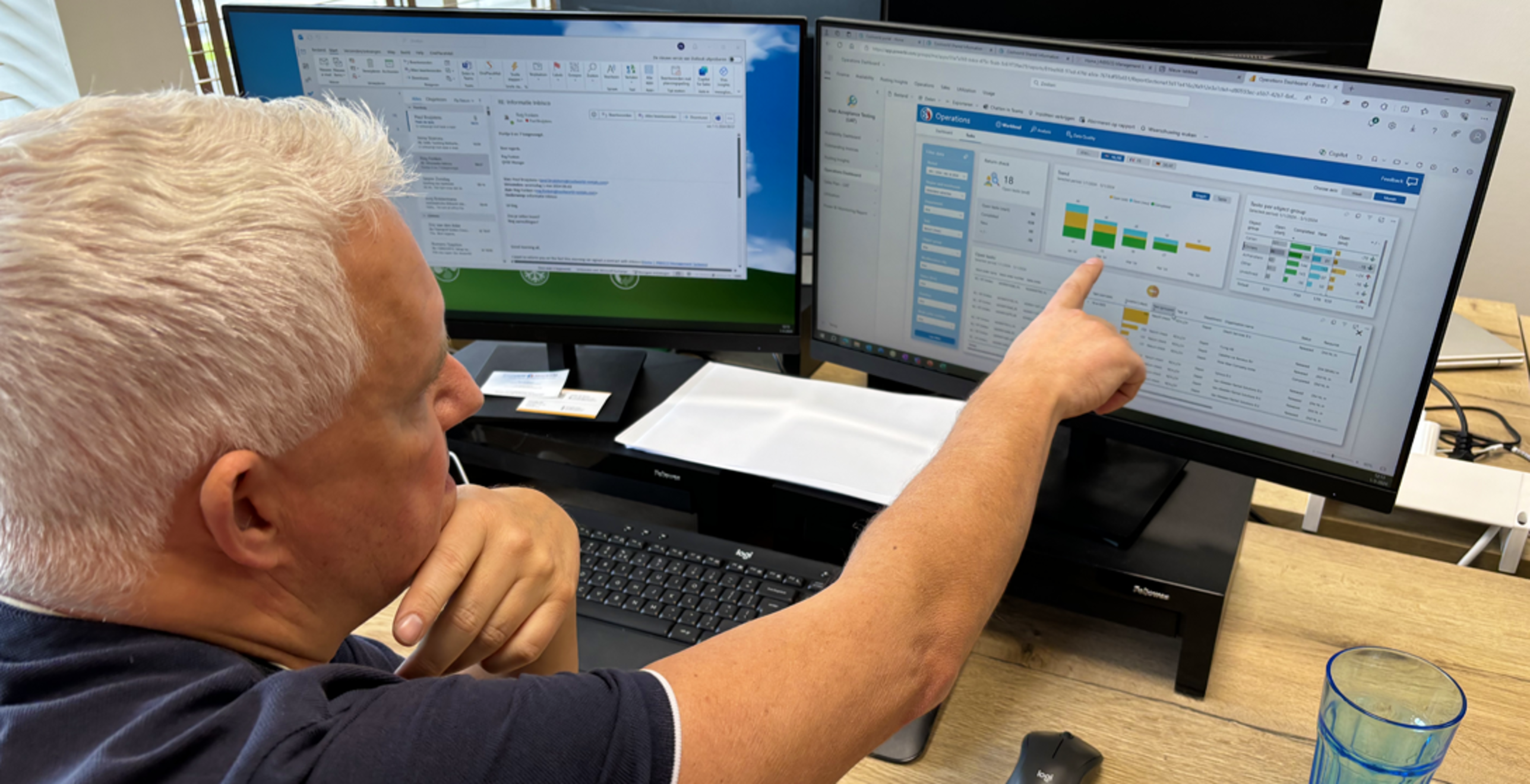
Pre-testing for a perfectly working cooling solution can be even more efficient. Machine data gives insight into how that test can be shorter and smarter.
-
 Knowledge sharing
We better record knowledge about the testing process and how to use the test rig. We make these more easily accessible to colleagues.
How can Coolworld test more sustainable?
Towards an energy-efficient test process
Global warming, the congested power grid and rising energy prices were three major reasons for scrutinising the test site's energy consumption.
Why the test site? Every year, we perform hundreds of running tests on chillers before they go to customers. In those tests, we often use 20-degree water. This is then cooled down. We then reheat the cooled water for the next test. We were convinced that efficiency gains could be made in the process.
The very thorough investigation into making the test site more sustainable provided new insights and energy-saving improvement possibilities. These measures also contribute to a better environmental climate, making work at the test site more pleasant.
We now have a clear picture of how we can better design the test sites in the Netherlands and in other countries. With this, we are taking important steps towards a more sustainable organisation.

Eddy van der Kamp Int. Director Sales & Marketing
What did we learn?
Get a fresh perspective
Lars' graduation research and knowledge from TU Delft, contributed to an integrated picture of our energy flows.
Lars made concrete sustainable improvement proposals. These act as a basis for new improvements as well as insights. Consider:
- making rental installations more efficient,
- the use of data and residual energy flows,
- the starting point for new innovations.